How to Start Affiliate Marketing with No Money in 2026
Meta Title: How to Start Affiliate Marketing with No Money in 2026 | Beginner’s Guide
Meta Description: Learn how to start affiliate marketing with no money in 2026. Follow this step-by-step guide to earn your first affiliate commission without investing in products or inventory.
Focus Keyword: How to Start Affiliate Marketing with No Money
How to Start Affiliate Marketing with No Money in 2026
Affiliate marketing has become one of the most popular ways to earn money online, and the best part is that you don’t need a large budget to get started. Many successful affiliate marketers began with little more than a smartphone, an internet connection, and the willingness to learn.
If you’ve been wondering whether it’s possible to build an affiliate marketing business without spending money, the answer is yes. While investing in tools and a website can help you grow faster in the future, you can still start with free resources and gradually scale your business as you earn commissions.
In this guide, you’ll learn exactly how to start affiliate marketing with no money, even if you’re a complete beginner.
What Is Affiliate Marketing?
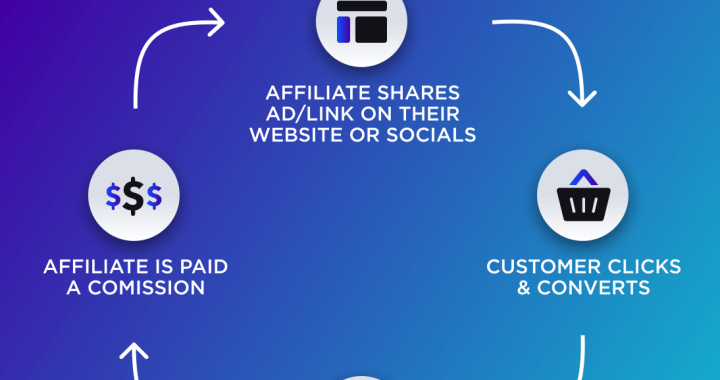
Affiliate marketing is a business model where you promote products or services offered by another company. When someone clicks your unique affiliate link and completes a qualifying purchase or action, you receive a commission.
Instead of creating your own products, handling shipping, or managing customer support, your role is to connect potential customers with products that solve their problems.
This makes affiliate marketing one of the easiest online businesses to start.
Can You Really Start Without Money?
Yes, you can.
Most affiliate programs are free to join, and there are many free platforms where you can create content and reach an audience.
However, starting with no money doesn’t mean success will happen overnight. You’ll need to invest time in learning, creating valuable content, and building trust with your audience.
Think of your time and consistency as your biggest investment.
Step 1: Choose a Profitable Niche
Your niche is the specific topic you’ll focus on.
Choosing the right niche helps you attract a targeted audience and recommend products that match their interests.
Some profitable affiliate marketing niches include:
- Digital marketing
- Technology and gadgets
- Web hosting
- Personal finance
- Health and fitness
- Beauty and skincare
- Education and online learning
- Home improvement
- Travel
- Productivity tools
Choose a niche that you enjoy learning about. Passion makes it easier to create consistent, high-quality content.
Step 2: Join Free Affiliate Programs
Once you’ve selected your niche, apply to affiliate programs that are relevant to your audience.
Many beginner-friendly programs are free to join.
Popular options include:
- Amazon Associates
- Hostinger Affiliate Program
- Canva Affiliate Program
- Grammarly Affiliate Program
- Shopify Affiliate Program
- Fiverr Affiliates
- Semrush Affiliate Program
Read each program’s terms carefully so you understand commission rates, cookie duration, and payout methods.
Step 3: Use Free Content Platforms
A website is valuable for long-term growth, but it’s not the only option when you’re starting.
You can create helpful content on free platforms such as:
Medium
Publish informative articles that answer common questions in your niche.
Great for business, marketing, and professional content.
YouTube
Create tutorials, reviews, comparisons, and educational videos.
Share short tips, reels, and carousel posts.
Participate in relevant groups and share helpful content without spamming.
Design attractive pins that drive traffic to your content.
As your income grows, consider building your own website to gain more control over your content and search engine traffic.
Step 4: Create Helpful Content
Content is the foundation of affiliate marketing.
People don’t buy products simply because you share a link. They buy because your content helps them solve a problem or make a better decision.
Some content ideas include:
- Product reviews
- Product comparisons
- Buying guides
- Tutorials
- Beginner guides
- Frequently asked questions
- Industry news
- Case studies
Focus on educating your audience first. Recommendations should feel natural and relevant.
Step 5: Learn Basic SEO
Search Engine Optimization (SEO) helps your content appear in search engine results, bringing visitors to your content without paying for ads.
Some beginner-friendly SEO practices include:
- Research keywords your audience searches for.
- Use your focus keyword in the title and headings.
- Write descriptive meta titles and meta descriptions.
- Add internal links to related content.
- Use short paragraphs and clear headings.
- Optimize images with descriptive file names and alt text.
SEO takes time, but it can provide consistent, long-term traffic.
Step 6: Build Trust Before Selling
One of the biggest mistakes beginners make is promoting products in every piece of content.
Instead, focus on building trust.
Here are a few ways to do that:
- Share honest opinions.
- Mention both advantages and disadvantages.
- Recommend products you’ve researched carefully.
- Avoid exaggerated income claims.
- Answer questions from your audience.
- Publish content consistently.
People are much more likely to purchase through your affiliate links when they see you as a reliable source of information.
Step 7: Promote Your Content for Free
Publishing content is only the first step. You also need people to find it.
Free promotion methods include:
- Posting on social media
- Sharing articles in relevant online communities
- Answering questions on forums
- Repurposing blog posts into short videos
- Creating infographics
- Sending free email newsletters (once you build a subscriber list)
The more places your content appears, the greater your chances of attracting visitors.
Step 8: Track Your Results
Successful affiliate marketers measure what works.
Pay attention to:
- Which articles receive the most traffic
- Which affiliate links generate clicks
- Which products convert best
- Which traffic sources perform well
Use this information to improve your future content and focus on strategies that deliver results.
Common Mistakes to Avoid
Many beginners slow their progress by making avoidable mistakes.
Avoid these common errors:
- Choosing too many niches
- Publishing low-quality content
- Expecting quick income
- Promoting products only because they offer high commissions
- Ignoring SEO
- Failing to disclose affiliate links
- Giving up after a few weeks
Affiliate marketing is a long-term business, not a get-rich-quick scheme.
Free Tools for Affiliate Marketers
You don’t need expensive software when you’re starting.
Here are some useful free tools:
- Google Docs for writing
- Canva Free for graphics
- Google Trends for topic ideas
- Google Keyword Planner for keyword research
- Google Analytics for traffic insights
- Google Search Console for SEO performance
- ChatGPT for brainstorming and content planning (used responsibly)
- Bitly for link management
These tools can help you build a strong foundation without increasing your costs.
How Long Does It Take to Earn Your First Commission?
The timeline is different for everyone.
Some beginners earn their first commission within a few weeks, while others may need several months. Your results depend on factors such as:
- Content quality
- Consistency
- SEO efforts
- Audience engagement
- Niche competition
Rather than focusing only on quick earnings, concentrate on building valuable content that continues attracting visitors over time.
Conclusion
Starting affiliate marketing with no money is entirely possible if you’re willing to invest your time and effort. Begin by choosing a niche, joining free affiliate programs, creating useful content, learning basic SEO, and promoting your work through free channels.
Success won’t happen overnight, but consistency is one of the biggest advantages in affiliate marketing. Every helpful article, video, or social media post adds to your online presence and increases your chances of earning commissions in the future.
Remember, affiliate marketing is about helping people make informed decisions. When you prioritize value over sales, trust grows—and so does your earning potential.
Frequently Asked Questions
Can I start affiliate marketing without a website?
Yes. You can begin using platforms like YouTube, Medium, Instagram, LinkedIn, or Pinterest. However, having your own website is recommended for long-term growth and better control over your content.
Is affiliate marketing really free?
Joining most affiliate programs is free. While optional investments such as a domain name, web hosting, or premium tools can help later, they are not required to begin.
How much can beginners earn?
There is no fixed income. Some people earn a few dollars per month at first, while others grow their affiliate business into a full-time source of income through consistent content creation and audience building.
Which niche is best for beginners?
Choose a niche that matches your interests and has steady demand. Digital marketing, technology, personal finance, health, education, and software are all popular choices.
What is the biggest key to success?
Consistency. Publishing valuable content regularly, learning SEO, and building trust with your audience are the foundations of long-term affiliate marketing success.